What Northern Beaches homeowners should know before installing an air conditioning unit
You have decided to replace or get a new air conditioning unit, but now you are wondering what you actually need.
Is the same type of system enough, or should you be looking at something different? Should you install another split system, or is it time to consider a ducted system instead?
In this article, our air conditioning experts on the Northern Beaches explain what to consider before installing an air conditioning unit, including system type, sizing, and factors that affect installation cost.
If you’re considering air conditioning installation, Ozcon Air Solutions can provide clear, practical advice on the right system for your home. Call 1300 341 694 or submit an enquiry.
The problem most homeowners do not see until after installation
Many issues are not caused by the air conditioner itself. They come from decisions made before the air conditioner is installed.
The most common problems are:
- The unit is the wrong size for the room or layout
- The indoor unit is placed where airflow gets blocked
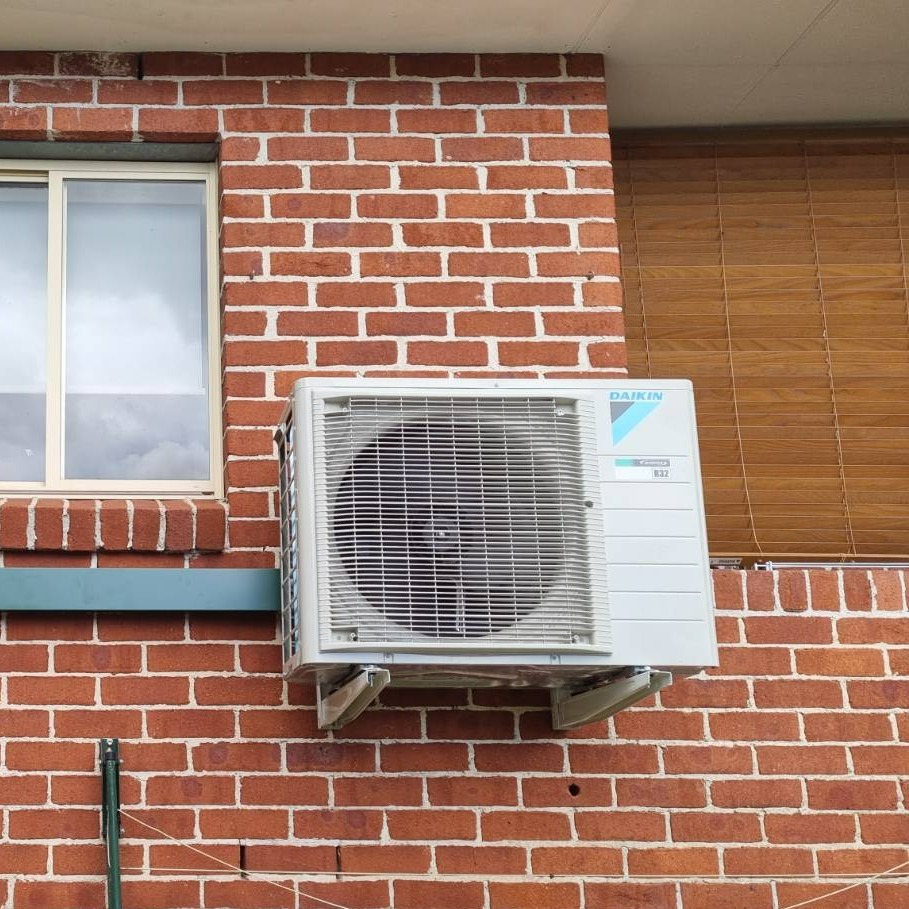
- The outdoor unit is placed where heat, salt exposure, or access make performance and servicing harder
- The quote assumes easy access, but the job has hidden complexity
When that happens, the home cools unevenly, the system works harder than it should, and energy bills climb.
Types of systems and what they suit on the Northern Beaches
Choosing between air conditioning units is not just about budget. It is about how you use the home and how you want it to feel day to day.
Split system air conditioning
A split system air conditioner is usually the best fit when you want targeted cooling in one main space, like a bedroom or living area.
Split system installation includes an indoor unit inside the room and an outdoor unit outside, connected by piping and electrical work.
If you are weighing up costs before deciding, this guide on split system air conditioning costs on the Northern Beaches can help set expectations without guesswork.
Multi-split system
A multi-split systems run multiple indoor units from one outdoor unit. It can suit homes where bedrooms need separate control, but the roof space or layout does not suit ducted air conditioning systems.
It can also introduce additional installation variables, as extra indoor and outdoor unit connections mean more piping runs and greater installation complexity.
Ducted air conditioning
Ducted air conditioning systems are designed to distribute cool air across multiple rooms through ceiling ducts and vents. For open-plan homes and multi-level layouts, ducted air conditioning can deliver more consistent comfort than multiple wall units.
If you want to compare cooling approaches, you can read cooling options for homes on the Northern Beaches for a practical breakdown.
If you are leaning toward whole-home comfort, ducted air conditioning is often the better long-term fit, especially when the goal is even airflow and quieter operation.
What affects installation cost on the Northern Beaches
When people ask how much does it cost to install air conditioning, they often expect a simple number. In reality, installation cost depends on the home, the system type, and what needs to happen on the day.
Common pricing drivers include:
System type and capacity
Larger air conditioning units cost more to supply and install, especially for ducted air conditioning systems.
Distance between indoor and outdoor units
Longer pipe runs mean more materials and labour. This applies to split system air and multi-split systems.
Mounting requirements
Some installations require mount brackets, a concrete pad, vibration control, or additional protection for the outdoor unit.
Access and building layout
Roof access, tight side passages, multi-storey homes, and difficult wall cavities can increase the complexity of the installation and the final cost of air conditioning.
Electrical suitability
Some homes need circuit upgrades before the air conditioner can run safely and reliably.
A good quote usually accounts for these details upfront, so you are not surprised later. At Ozcon Air Solutions, we assess your home carefully before installation. We explain system selection, access requirements, and installation complexity clearly from the start.
Placement matters more than most people expect
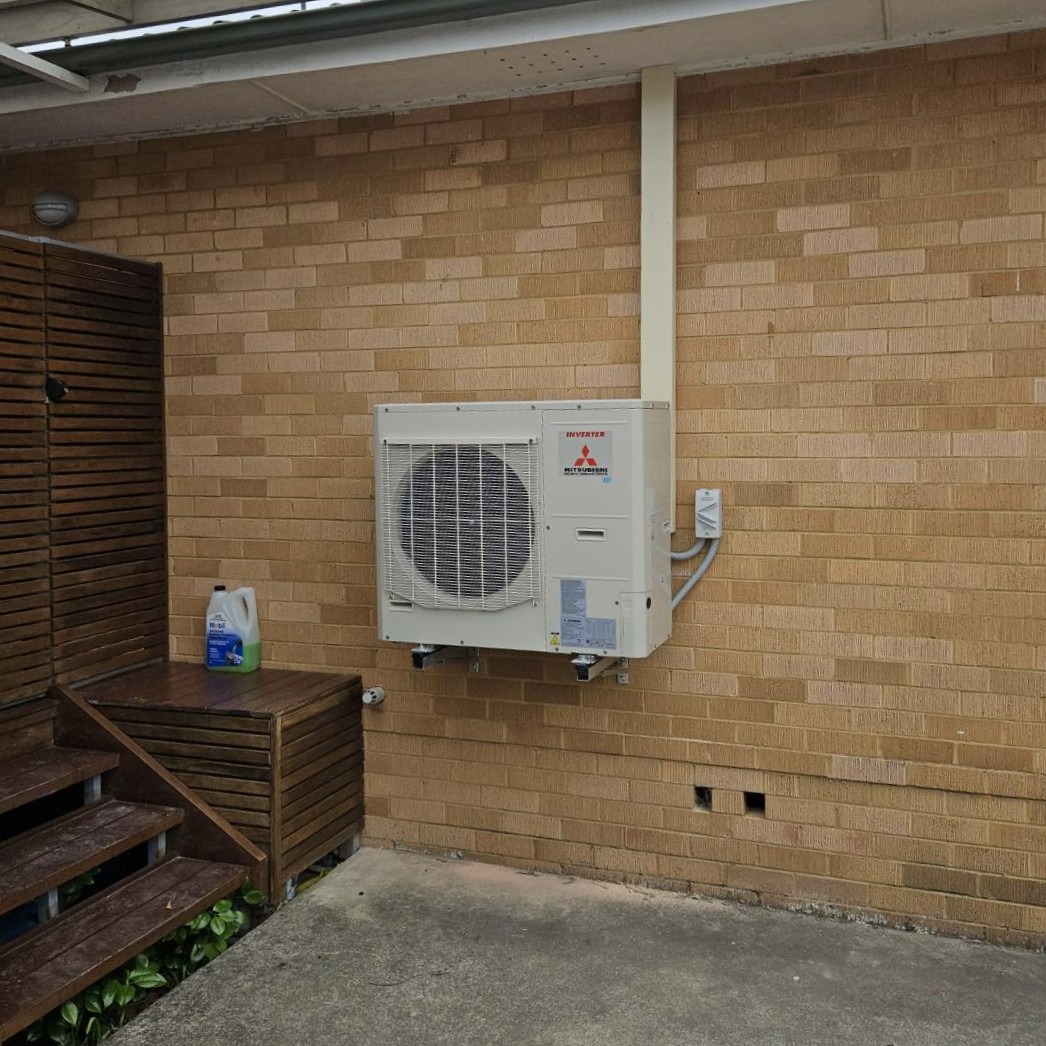
Where the unit goes can make or break comfort.
For the indoor unit, the goal is clear airflow across the room, without blasting directly onto beds, desks, or seating. If the indoor unit is placed where furniture blocks air, the room can feel uneven even when the temperature is set low.
For the outdoor unit, the priority is ventilation, noise control, and service access. Outdoor units that are boxed in, exposed to harsh coastal conditions, or hard to reach can run less efficiently and be harder to maintain.
Why professional installation protects performance and warranties
Air conditioning installation is not a DIY job. It involves electrical work and refrigerant handling, and it must meet licensing requirements.
In Australia, refrigerant handling requires an ARC licence. Using a properly licensed technician helps protect safety, compliance, and manufacturer warranties.
It is also best for the same company to handle both air conditioning supply and installation. Purchasing an air conditioning unit from one supplier and hiring a separate installer can create uncertainty if performance issues arise.
When system selection, sizing, and installation are managed together, responsibility is clear, and the outcome is more predictable.
If you are comparing installers, it is reasonable to ask what is included, what assumptions have been made about access, and whether the quote covers commissioning and testing.
Energy efficiency and ongoing running costs
Energy efficiency is not only about the star rating. A well-sized system with correct placement and airflow will usually cost less to run than a “bigger must be better” approach.
A system that is too small runs constantly. A system that is too large cycles too often and may not manage humidity well. Both can push energy bills higher than expected.
This is one reason it is worth choosing the system based on the home, not only the sticker price.
What goes wrong if you choose poorly
If the decision is rushed or based on a cheap headline quote, the most common outcomes are:
- The house cools unevenly and never feels stable
- Running costs are higher than expected
- The system needs more repairs and earlier servicing
- You pay twice to fix placement or sizing issues
Installing an air conditioning unit should reduce stress, not create a new set of problems.
Get clear advice from the air conditioning experts
If you want your home to cool properly through humid Northern Beaches summers and cooler winter mornings, the best step is getting the system choice and setup right from the start.
Ozcon Air Solutions can recommend the right cooling system for your home and explain what drives installation cost. Call 1300 341 694 or submit an enquiry. to discuss your options.